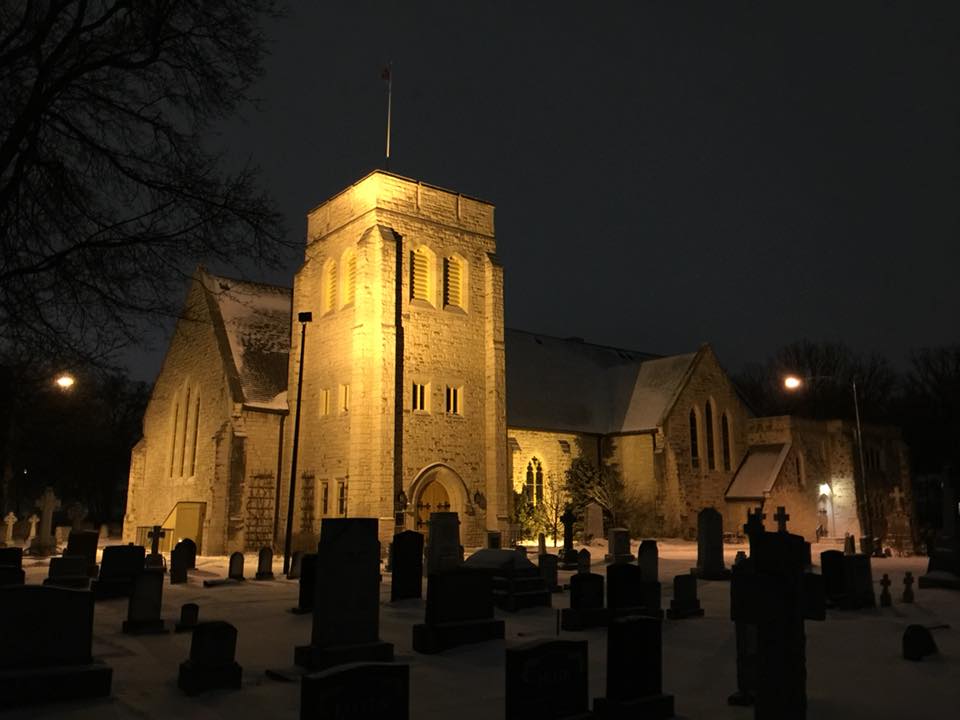
We’ll sing some rarely performed and playful Renaissance music in Winnipeg’s hidden gem, St. John’s Cathedral . Joining us is #NUOVOCE, offering a contemporary reflection on our programming from five centuries earlier.
That’s 7.30 PM, Thursday, April 18, at St. John’s Cathedral (135 Anderson Ave) in Winnipeg’s North End, between Main St. and the Red River. Pay what you will, what you are able, and thank you.
Street parking on every side of the property.
Very limited handicapped parking at the end of the driveway;
Feel free to drop off folks at the Tower Door, and then park on the street. Thanks!
Christ is risen! Christus ist auferstanden! Christus Surrexit! Cristo è risorto! Le Christ est ressuscité! Hristos a înviat! Христос Воскресе! Χριστός Ανέστη! Kristus vstal z mrtvých! Chrystus zmartwychwstał! Tha Crìosd air èiridh! Kristus är uppstånden! Քրիստոս յարեաւ ի մեռելոց! Al-Masih-Qam! Ha Masheeha houh kam! ქრისტე აღსდგა! Kristus nousi kuolleista! Kristur er upprisinn! Cristo ha resucitado!risztus feltámadt! Kristur er sannarlega upprisinn! Kraist em i kirap gen!
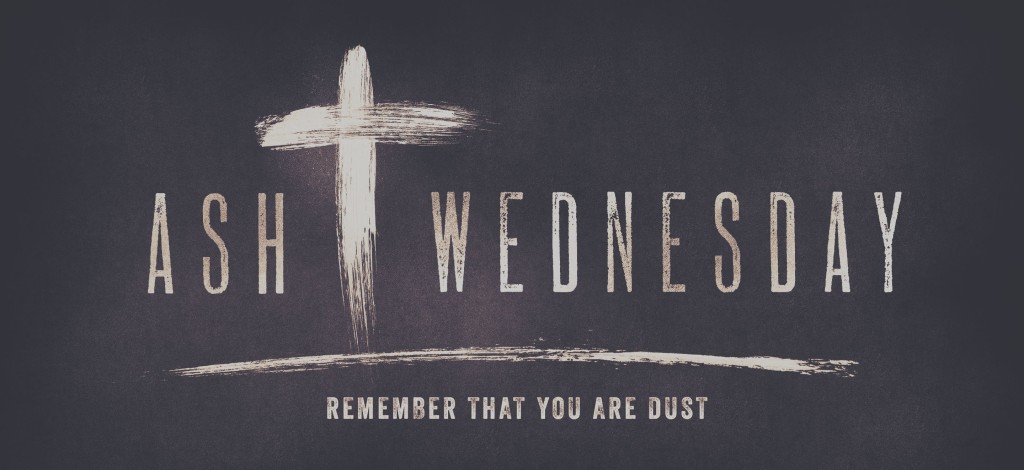
Wednesday, 14 February 2024 Anno Domini, 7 p.m. All are welcome; we are at 135 Anderson Avenue in Winnipeg’s North End, just north of St. John’s Park, between North Main and the Red River. The service will include the Imposition of Ashes and Holy Eucharist.
Preaching and presiding will be the Dean, The Very Rev. Paul N. Johnson. Our very gifted musician is Helen Suh.
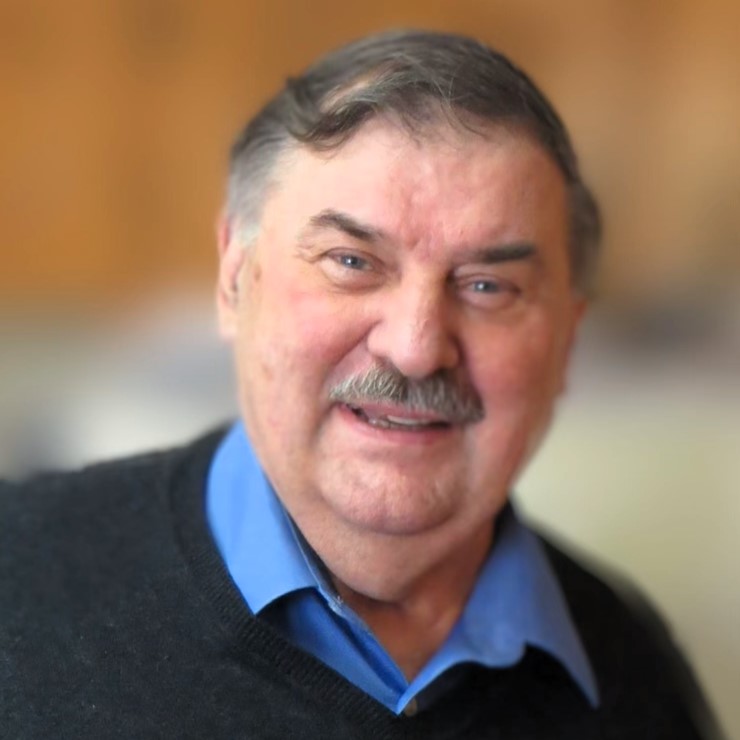
With great sadness we announce the death of Adriene Percy Bossey, surrounded by his family, welcomed home by our Lord. Adriene was predeceased by his Father and Mother, his sister Fran (Ted) and brother-in-law Athen. Left to mourn him is his wife Yvonne, sons Andrew (Christina) and Matthew, Simon his grandson, brother Merv (Lori), Lorne (Irene) and sister Emily, brother in-laws and sister in-laws, nieces and nephews, and so many other people who knew him. The family would like to thank the wonderful staff at Seven Oaks Hospital, units 4 & 6 for the care they provided for Adriene. Special thanks to Judith, Andrew, Karen & Marichu.
A Celebration of Life with Holy Eucharist will be held on Friday, February 16, 2024 at St. John’s Anglican Cathedral, starting at 11:00 a.m. Viewing will be available in the Cathedral Narthex beginning at 10 a.m. Interment at Brookside Cemetery will follow after lunch. Lunch immediately following the funeral will be served downstairs in the John West Hall of the Cathedral; there is a lift available for those who need it.
The Very Rev. Paul N. Johnson will preside at the Requiem Mass; Helen Suh is the Cathedral Musician. There is street parking available on all sides of the Cemetery, with gates open on each side also. There are only three reserved spots for those with special needs, but cars may also drop off folks at the Tower Door, where the hearse will be parked.
Donald Byron McKenzie, 12 October 1965 — 14 January 2024 Anno Domini
From Rupert’s Land News: As many of you already know, the Rev. Donald McKenzie died unexpectedly January 14th, 2024. This was a tremendous loss for the Diocese, and especially for Holy Trinity, downtown. Please keep Donald and his family in your prayers.
The date of his funeral has been announced as Saturday, February 3rd, at 10am at Holy Trinity Anglican Church, 256 Smith Street, Winnipeg.
May Donald rest in the peace of our Lord and rise with Christ in glory.
If you would like to see his obituary, you can find it here.
In the Diocese of Rupert’s Land, God willing, Geoffrey, Bishop of Rupert’s Land will ordain Alison and Carl as Deacons in the Church of God on Saturday, 27 January 2024 Anno Domini, at 1:30 p.m. in the Cathedral Church of St. John the Evangelist, 135 Anderson Avenue, Winnipeg, Manitoba.
A reception will follow the service, in the John West Hall of the Cathedral, with cake, coffee and tea, and an opportunity to share in fellowship with the newly ordained, and with one another. Thanks, as ever, to Mavis Ford and Cathedral helpers for serving. Please do stay and join us.
The service will be live-streamed via the Cathedral YouTube page, the link right here: Ordination Service
There is plenty of street parking available; gates will be open on all sides of the Cathedral. There are only three reserved parking slots for those with blue tags, in the circle at the north end of the driveway; if you can’t walk far, and you have a driver, please ask to be dropped off at the Tower Door, with the vehicle to be parked on the street. NO PARKING in the driveway, the only fire and ambulance access to the building. Thanks very much for your cheerful cooperation!
10:30 a.m. Fourth Sunday of Advent, Sung Eucharist; Children’s Pageant
7 p.m. Christmas Eve early, Family service with Carols and Communion 11 p.m. Midnight Mass: Candlelight service with Sung Eucharist, Choir, Brass, Duet
December 25th, Monday – The Nativity of Our Lord, the First Day of Christmas 10:30 a.m. Christmas Day Eucharist December 31st, Sunday 10:30 a.m. First Sunday of Christmas, Sung Eucharist
January 7th, Sunday, Baptism of Our Lord 10:30 a.m. Sung Eucharist
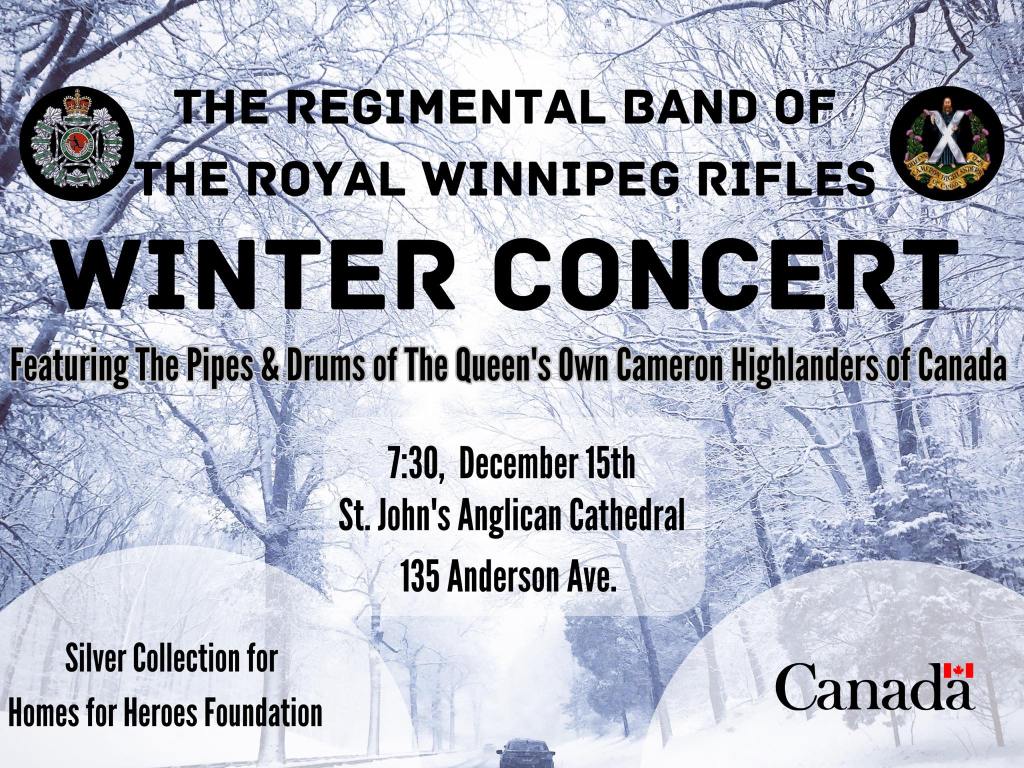
Regimental Band of the Royal Winnipeg Rifles with Pipes and Drums of The Queen’s Own Cameron Highlanders, Friday, 15 December, 7:30 p.m. at St. John’s Anglican Cathedral, 135 Anderson Avenue, Winnipeg… We are just north of St. John’s Park, between North Main and the Red River.
Cathedral Church of St. John the Evangelist, 135 Anderson Avenue, Winnipeg, Manitoba
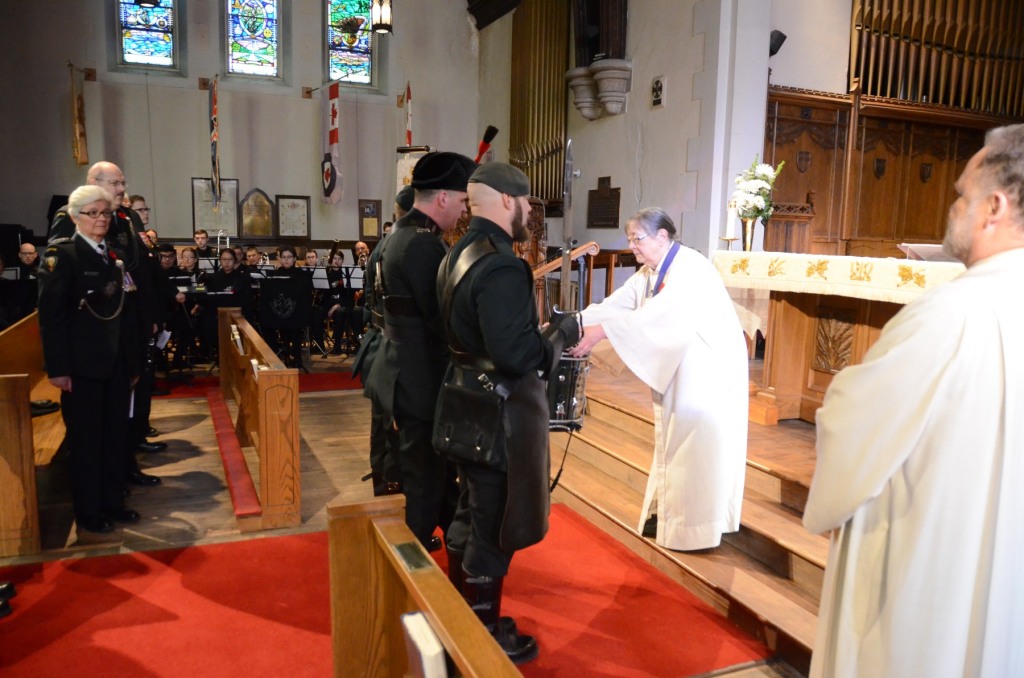
The Regimental Band of the Royal Winnipeg Rifles (24 members), directed by Capt. Ryan Wehrle, will join us for the Sunday morning service at the Cathedral; all are asked to be seated by 10:25 a.m., when the Band will play the prelude. They will also play for a number of pieces during the service itself, including the National Anthem at the beginning of the service, and the Royal Anthem at the end, and the postlude.
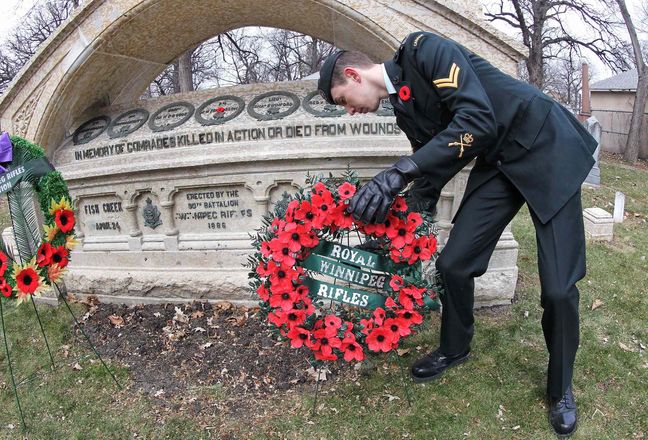
The Very Rev. Paul N. Johnson will preach and preside, and the Cathedral musician, Helen Suh, will be at the organ. Immediately following the worship service all are invited outside, with the members of the Regiment, to gather at the Rifles’ Memorial in our historic Churchyard. A brief military ceremony, including rifle salute and two minutes of silence, will take place there.
Following the ceremony outside all are most welcome to join us downstairs in the John West Hall for a reception provided by the Cathedral. Thanks to Mavis Ford for organizing a warm welcome here for the Band and other members of the Regiment.
FROM THE DEAN: A choir I sing with—Canticum, led by the artistic team of John Wiens and Janet Peters—is putting on a concert on the timely theme of peace. Our repertoire will include African, Estonian, Latin, Cree, and German music—and some in English, too! The songs are all very moving and lyrical, with rich and beautiful harmonies.
This concert is also a fundraiser – a portion of the ticket sales will go to Ka Ni Kanichihk, a local organization that works with Indigenous people, especially children, to help them move forward and heal after adversity and trauma. The concert is on Sunday, Nov 19, at 3 pm and will last about an hour. It’s here at St. John’s Cathedral, 135 Anderson Ave. (just east of Main St. on the North side of St. John’s Park). You can reserve tickets online (Canticum | Choir | Winnipeg | Tickets (canticumwpg.ca), or buy directly from me on Sunday morning, or at the door when you come early for the concert!
A few people have asked re. payment method. We are not set up to take credit cards. Only cash or cheque made out to ‘Canticum Winnipeg’. Thank you so much! Hope to see you here.
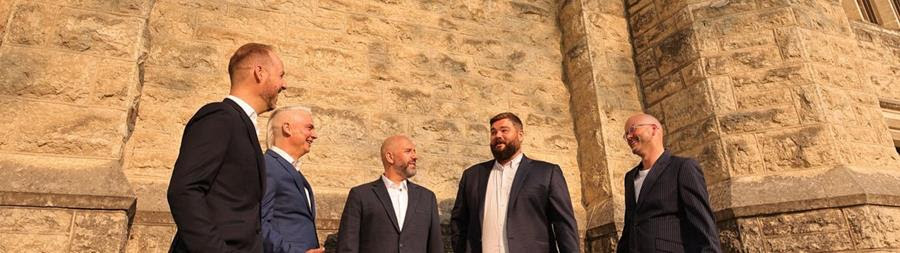

 in Winnipeg’s hidden gem, St. John’s Cathedral
  . Joining us is #NUOVOCE, offering a contemporary reflection on our programming from five centuries earlier.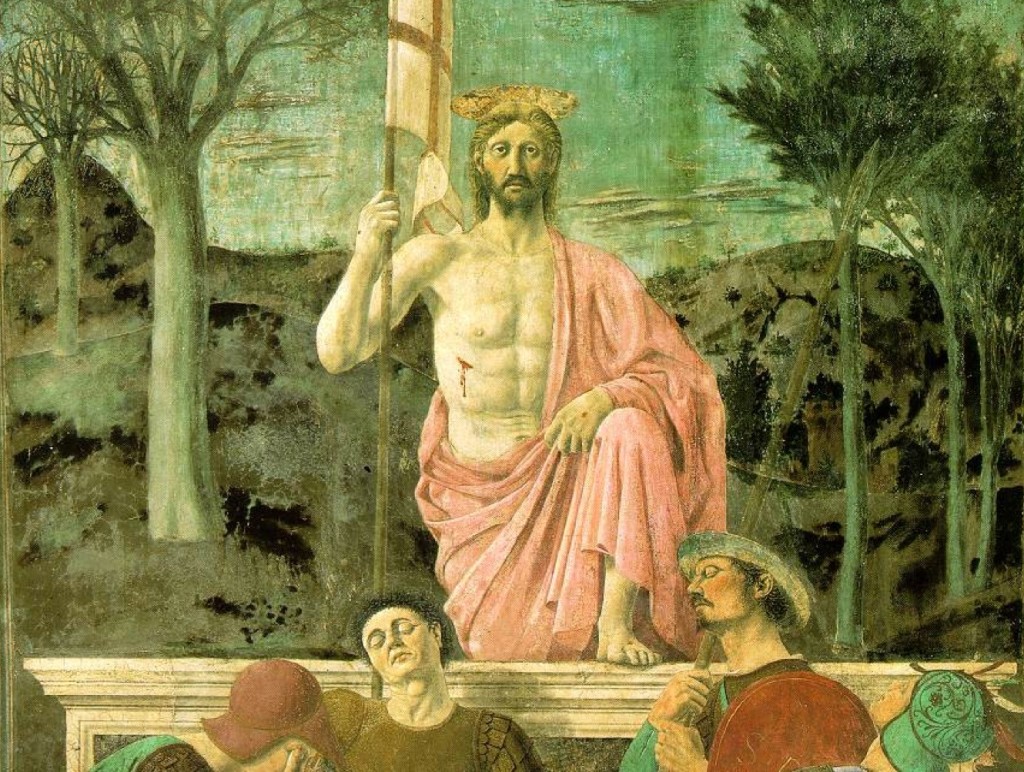



 St. John's Anglican Cathedral